Allergies
 Allergy to Mold, Dander and Dust
 Definition
Symptoms associated with allergies can occur after exposure to mold, certain animals or animal hair, dust or other substances. These substances normally found in indoor environments and cause no symptoms in most people.
Causes, incidence, and risk factors
Allergies occur when the immune system overreacts to substances (allergens) that are usually harmless.
When a person with allergies breathes in an allergen, the body releases histamine and other chemicals as part of the immune response, which causes itching ehinchazón, mucus production and, in severe cases, hives and rashes, as well as other symptoms. The severity of symptoms varies from person to person.
Most environmental allergens contact the skin or eyes or are inhaled, which is why most symptoms affect the skin, eyes or respiratory tract.
You can develop an allergic reaction to particles that are indoors or outdoors. Common allergy triggers include:
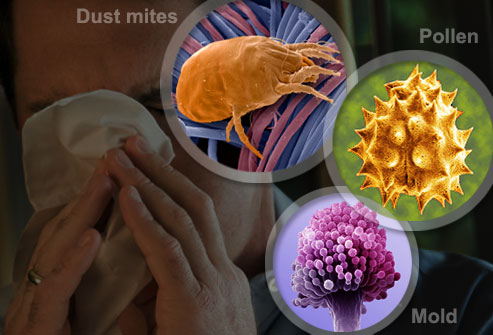
Mold: The air carries mold spores, which can be present throughout the year. Mold is most common in damp indoor spaces such as basements, bathrooms or laundry rooms. The fabrics, rugs, stuffed animals, books, or wallpaper can contain mold spores if stored in damp places. In the outdoors, molds are found in soil, fertilizers, and on damp vegetation.
Animals: People who have allergies to certain animals are rarely allergic to fur or feathers of these, but they are actually allergic to small scales of skin (dander) that the animal sheds. Some people are allergic to the saliva of animals, especially of cats (your saliva contains a protein known to cause allergy). You can contact with the saliva of an animal if he licks you, if you touch it after it has groomed or touching an object that the animal has recently licked or chewed.
Dust: House dust contains tiny particles of pollen, mold, fibers from clothing and fabrics, detergents, and microscopic insects (mites). Dust mites, including small fragments of dead mites, are the main cause of dust allergy and are found in greater numbers in bedding, common in mattresses and spring mattresses.
A few people develop allergy-like symptoms to other irritants in the environment, including smoke, fumes from industries or cleaning products, the snuff, powder and laundry detergents.
Symptoms
Cough
Shortness of breath
Hives
Itching of the nose, eyes, throat or skin
Rashes
Red eyes
Runny nose
Sinus pressure
Sneeze
Watery eyes
Wheezing
Signs and tests
The doctor will perform a physical exam and ask questions about your symptoms. The history of symptoms is important in diagnosing allergies, including the fact whether the symptoms vary according to time of day or season and possible exposures such as having a pet at home.
Allergy tests are done to identify the specific allergens that are causing the symptoms. Skin testing is the most common and useful, and may include scratch, patch or other tests.
Having allergies may also alter the results of the following tests:
White blood cell count, particularly eosinophil count
Serum immunoelectrophoresis
Treatment
The best treatment is to avoid being around molds, dander and dust.
Allergy shots (immunotherapy) are occasionally recommended if the substance to which you are allergic can not be avoided and if symptoms are difficult to control.
Expectations (prognosis)
Most symptoms of allergies to mold, dander and dust can be easily treated, and regular treatment can minimize symptoms.
In some cases (particularly in children), people may outgrow an allergy as the immune system becomes less sensitive to the allergen. However, as a general rule, once a substance causes allergies for an individual, can continue to affect long.
More severe cases of allergic rhinitis from these allergens may require immunotherapy (allergy shots) or removal of tissue in the nose or sinuses.
Complications
Anaphylaxis (a severe allergic reaction but rare)
Drowsiness and other side effects of antihistamines
Frequent ear infections (otitis media) in children
Hives and other rashes
Sinus infections
Call your health care
Call your doctor if you have severe allergy symptoms, if treatment had previously worked well and has no effect or if symptoms do not respond to treatment.
Prevention
Breastfeeding can help prevent and decrease allergies. There is also evidence that exposure to certain allergens in the first year of life may prevent some allergies.
Mold spores are everywhere. Exposure to these can be reduced by following these steps:
Clean frequently to reduce dust. Vacuum frequently, preferably using a small-pore filter to capture dust mites. Clean frequently with a damp mop and wipe off the dust.
Eliminate as many “dust catchers” as rugs, canopies or seams of the mattress of the bed and curtains.
You can buy special covers for mattresses, pillows and spring mattresses in order to reduce the presence of dust mites. Wash weekly, if possible, rugs, bedding and furniture covers that cover with hot water (at least 130 ° F - 54.4 ° C)
Allergies
Definition
It is an exaggerated immune response or reaction to substances that are generally not harmful.
Allergy is caused by an oversensitive immune system, leading to a misdirected immune response. The immune system normally protects the body against harmful substances such as bacteria and viruses. It reacts to substances (allergens) that are generally harmless and in most people do not cause any problems.
But in a person with allergies, the immune response is oversensitive. When the system recognizes an allergen, it releases chemicals such as histamines, causing itching, swelling, mucus production, muscle spasms, hives, rash and other symptoms that vary from person to person.
Symptoms
Symptoms of allergies vary but may include:
Breathing problems
Increased tearing, burning or itching eyes
Conjunctivitis (red eyes and swollen)
Cough
Diarrhea
Headache
Edema in the eyes
Hives
Itching of the nose, mouth, throat, skin or any other area
Rhinorrhea
Rash
Stomach cramps
Vomiting
Wheezing
Signs and tests
The doctor will perform a physical exam and ask questions such as, for example, when the allergy occurs.
It may require allergy testing to determine if symptoms correspond to an actual allergy or caused by other problems. For example, eating contaminated food (food poisoning) may cause symptoms similar to food allergies. Some medications such as acetylsalicylic acid (aspirin) and ampicillin can cause allergic reactions, including rashes.
Skin tests are the most common method of allergy testing. One is the prick test that involves placing on the skin a small amount of suspected allergy-causing substances and then slightly pricking the area so the substance moves under the skin. Skin is monitored closely for signs of a reaction such as swelling and redness. Skin testing may be an option for some young children and babies.
Blood tests can measure levels of specific substances associated with allergies, especially one called immunoglobulin E (IgE).
A complete blood count (CBC), specifically eosinophil count may also help reveal allergies.
In some cases, your doctor may ask you to avoid certain items to see if improvements or to use suspected items to see if you feel worse. This is called “evidence of use or disposal” and is often used to check for food or medication allergies.
Treatment
Severe allergic reactions (anaphylaxis) require treatment with a medicine called epinephrine, which can be life saving when immediately given patient.
First, the best way to reduce symptoms is to avoid what causes allergies and this is especially important in the case of allergies to medications and food.
There are several types of drugs available to prevent and treat allergies. Which medicine your doctor recommends depends on the type and severity of symptoms, age and general health.
Specific illnesses that are caused by allergies (such as asthma, allergic rhinitis and eczema) may require other treatments.
Drugs that can be used to treat allergies include:
ANTIHISTAMINES
Antihistamines are available over the counter and in many ways:
Capsules and tablets
Eye drops
Injection
Liquid
Nasal Spray
CORTICOSTEROIDS
Anti-inflammatory medications (corticosteroids) are available in many forms including:
Eye drops
Nasal Spray
Inhalers
Patients with severe allergic symptoms may be prescribed corticosteroid pills or injections for short periods of time.
DECONGESTANTS
Decongestants can help relieve nasal congestion. However, decongestant nasal sprays should not be used for many days, because they can cause “rebound effect” and worsen congestion. Decongestants in pill form do not cause this problem.
DRUG
Leukotriene inhibitors are medicines that specifically block the substances that trigger allergies. Zafirlukast (Accolate) and montelukast (Singulair) are approved for those with asthma, like allergies to indoor and outdoor.