Posts Tagged ‘allergies’
 Recommendations and Precautions to Maintain good Ear Health
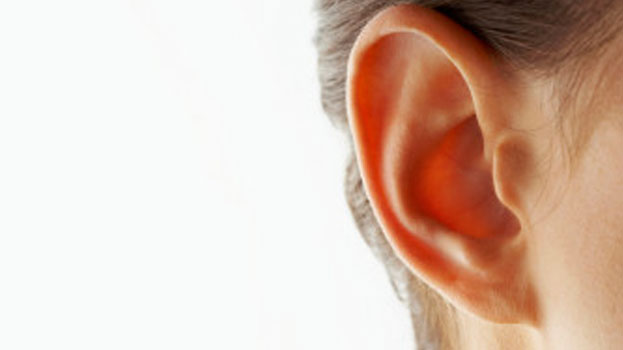 We do not usually pay much attention to the health of our ears and is critical because it forms the organs of balance and hearing. Therefore, we must protect the various structures that make up this body, preventing injuries that can damage hearing health.
Basically we should avoid loud noises, prevent infection, care to bring good nutrition and properly treat allergies and colds.
- For structures, the inner ear is severely affected by long-term high-noise environments. And is that over the years, the excessive noise is causing a progressive hearing loss. So you have to avoid putting high volume audio devices. Should never exceed 60 decibels, as it can produce lesions that, over time, can become irreversible. We must also take special care with the clubs and concerts, and far exceeding the limits as healthy for our ears.
Keep in mind that noise pollution has negative effects immediately, but years later, so we do not usually take an interest in a fundamental way. In fact, more and more young people who have hearing loss at earlier ages. Some medications can also adversely affect the performance, so you always have to follow the guidelines prescribed by the doctor.
- Moreover, the middle ear is affected mostly by allergies, colds and sinusitis. People often suffer infections of the throat or nose must be especially careful, because the repetition ends up affecting the ear.
When bad weather comes the need to protect ourselves from the cold. We must properly treat colds and allergies. Also keep in mind that the middle ear is closely related to the functioning of the nose, so its congestion causes inflammation of the Eustachian tube and cause otitis often.
- On the outer ear, it must be borne in mind that is the part that is exposed to the outside. For this reason, it is particularly susceptible to infection. Do not use swabs or other objects never to remove the wax, as it has an important role, which is to prevent the entry of foreign bodies that can damage hearing. In addition, their use can damage the ear directly.
As we see, have to worry about all the structures forming the ear. For this reason, it is essential to periodic revisions. Through audiometry, the doctor can check our level of hearing. Also keep in mind that if we work in a noisy environment must also protect their ears with headphones.
If you already have a hearing problem must continue taking care of the ears, otherwise it will continue to lose hearing. For this reason, we have to wear headphones if we as indicated by the specialist.
Finally, a healthy diet helps maintain good ear health. Must perform a varied diet rich in fruits and vegetables and low in saturated fat. The intake of vitamins A and E also helps to protect cellular aging, given its high antioxidant properties.
Allergy to Mold, Dander and Dust
 Definition
Symptoms associated with allergies can occur after exposure to mold, certain animals or animal hair, dust or other substances. These substances normally found in indoor environments and cause no symptoms in most people.
Causes, incidence, and risk factors
Allergies occur when the immune system overreacts to substances (allergens) that are usually harmless.
When a person with allergies breathes in an allergen, the body releases histamine and other chemicals as part of the immune response, which causes itching ehinchazón, mucus production and, in severe cases, hives and rashes, as well as other symptoms. The severity of symptoms varies from person to person.
Most environmental allergens contact the skin or eyes or are inhaled, which is why most symptoms affect the skin, eyes or respiratory tract.
You can develop an allergic reaction to particles that are indoors or outdoors. Common allergy triggers include:
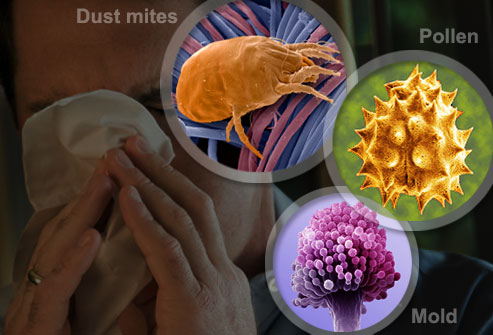
Mold: The air carries mold spores, which can be present throughout the year. Mold is most common in damp indoor spaces such as basements, bathrooms or laundry rooms. The fabrics, rugs, stuffed animals, books, or wallpaper can contain mold spores if stored in damp places. In the outdoors, molds are found in soil, fertilizers, and on damp vegetation.
Animals: People who have allergies to certain animals are rarely allergic to fur or feathers of these, but they are actually allergic to small scales of skin (dander) that the animal sheds. Some people are allergic to the saliva of animals, especially of cats (your saliva contains a protein known to cause allergy). You can contact with the saliva of an animal if he licks you, if you touch it after it has groomed or touching an object that the animal has recently licked or chewed.
Dust: House dust contains tiny particles of pollen, mold, fibers from clothing and fabrics, detergents, and microscopic insects (mites). Dust mites, including small fragments of dead mites, are the main cause of dust allergy and are found in greater numbers in bedding, common in mattresses and spring mattresses.
A few people develop allergy-like symptoms to other irritants in the environment, including smoke, fumes from industries or cleaning products, the snuff, powder and laundry detergents.
Symptoms
Cough
Shortness of breath
Hives
Itching of the nose, eyes, throat or skin
Rashes
Red eyes
Runny nose
Sinus pressure
Sneeze
Watery eyes
Wheezing
Signs and tests
The doctor will perform a physical exam and ask questions about your symptoms. The history of symptoms is important in diagnosing allergies, including the fact whether the symptoms vary according to time of day or season and possible exposures such as having a pet at home.
Allergy tests are done to identify the specific allergens that are causing the symptoms. Skin testing is the most common and useful, and may include scratch, patch or other tests.
Having allergies may also alter the results of the following tests:
White blood cell count, particularly eosinophil count
Serum immunoelectrophoresis
Treatment
The best treatment is to avoid being around molds, dander and dust.
Allergy shots (immunotherapy) are occasionally recommended if the substance to which you are allergic can not be avoided and if symptoms are difficult to control.
Expectations (prognosis)
Most symptoms of allergies to mold, dander and dust can be easily treated, and regular treatment can minimize symptoms.
In some cases (particularly in children), people may outgrow an allergy as the immune system becomes less sensitive to the allergen. However, as a general rule, once a substance causes allergies for an individual, can continue to affect long.
More severe cases of allergic rhinitis from these allergens may require immunotherapy (allergy shots) or removal of tissue in the nose or sinuses.
Complications
Anaphylaxis (a severe allergic reaction but rare)
Drowsiness and other side effects of antihistamines
Frequent ear infections (otitis media) in children
Hives and other rashes
Sinus infections
Call your health care
Call your doctor if you have severe allergy symptoms, if treatment had previously worked well and has no effect or if symptoms do not respond to treatment.
Prevention
Breastfeeding can help prevent and decrease allergies. There is also evidence that exposure to certain allergens in the first year of life may prevent some allergies.
Mold spores are everywhere. Exposure to these can be reduced by following these steps:
Clean frequently to reduce dust. Vacuum frequently, preferably using a small-pore filter to capture dust mites. Clean frequently with a damp mop and wipe off the dust.
Eliminate as many “dust catchers” as rugs, canopies or seams of the mattress of the bed and curtains.
You can buy special covers for mattresses, pillows and spring mattresses in order to reduce the presence of dust mites. Wash weekly, if possible, rugs, bedding and furniture covers that cover with hot water (at least 130 ° F - 54.4 ° C)