Posts Tagged ‘disease’
 Herpes Zoster, Causes, Symptoms and Treatment
Shingles is a disease caused by a reactivation of latent virus varicella-zoster virus, which affects the peripheral nerves, gangliorradicular neuropathy, and skin, where it can produce small, painful blisters grouped in a ring along a dermatome .
Many patients have no history of recent exposure to other individuals with VZV infection. Herpes zoster occurs at all ages, but its incidence is higher (5 to 10 cases per 1000 people) among people between 70 and 80 years of age.
Shingles, also known as shingles, is marked by a unilateral vesicular eruption within a dermatome, related to severe pain.
What are the factors responsible for reactivation of VZV?
Not yet identified the factors responsible for reactivation of VZV. In children the recovery is benevolent, worse in adults can be stressful.
When is the onset of illness of shingles?
The series followed the onset of pain to the resolution referred to as zoster-associated pain. The onset of the disease is the presence of pain within the dermatome injuries can anticipate 48 to 72 h, an erythematous maculopapular eruption increases very rapidly in vesicular lesions.
These lesions may remain low and continue training for a period of 3 to 5 days. The total duration of the disease is between 7 and 10 days, although this may have between 2 to 4 weeks for the skin returns to normal.
The location pointed to a dermatome pain with serologic evidence of herpes zoster has been extended by the lack of skin lesions. When the branches of the trigeminal nerve are involved, the lesions occur on the face, mouth, eye, or on the tongue.
Like chicken pox, herpes zoster is more severe in immunocompromised host that in the normal person. Injuries continue to build for over a week, and scabbing is not accomplished in most of the time up to 3 weeks in the disease.
What is the treatment for shingles?
Treatment of acute episodes of herpes zoster reduces pain and intensity of the cutaneous picture, but also helps to prevent complications that may exist and avoid the spread of the disease.
Nap For a Better Quality Of Life
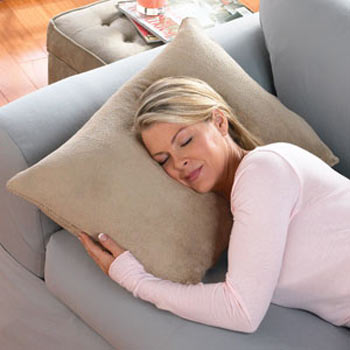 Sleep is a vital function important as eating or breathing, so doctors say, make small naps is linked to a reduced risk of diseases such as cardiovascular disease or Alzheimer’s disease.
What is the term that should have the rest?
Doctors recommend giving pause to the pace of life to feel the powerful effects of natural physiological cause good sleep, because sleep is a vital important role. During sleep develop various important physiological processes that are related to neurocognitive function, immune, endocrine and metabolic diseases.
On average people sleep two hours less than 60 years ago, and this ultimately has a profound impact on the quality of life and health of people.
Alters the way we breathe and in which our heart beats and prolonged changes in the quantity or quality of sleep are associated with the onset of various diseases such as obesity, diabetes, and hypertension.
Sleep deprivation reduces performance during the day and responsible exposure to an increased risk of accidents such as driving a vehicle.
They can take some measures to improve sleep.
At midday, a little break.
The nap is healthy, especially when it has a duration of less than 45 minutes and is done before the 16 has a beneficial effect on alertness, creativity, mood and productivity.
Several studies indicated that the habit of naps is related to a reduced risk of various diseases such as cardiovascular disease or Alzheimer’s disease.
The siesta is a habit that can alleviate many problems associated with inadequate sleep, naps improve our activity during wakefulness and more productive.