Posts Tagged ‘asthma’
 Asthma
Definition
It is an inflammatory disorder of the airways that causes desibilancias attacks, difficulty breathing, chest tightness and coughing.
Causes, incidence, and risk factors
Asthma is caused by inflammation of the airways. When an asthma attack, muscles around the airways tighten and the lining of the airways become inflamed. This reduces the amount of air that can pass and can lead to wheezing sounds.
Most people with asthma have wheezing attacks separated by symptom-free periods. Some patients have difficulty breathing with prolonged episodes of this problem increases, while others may have a cough as the predominant symptom. Asthma attacks can last from minutes to days and can become dangerous if the airflow restricted severely.
In sensitive individuals, asthma symptoms can be triggered by breathing in allergy-causing substances, called allergens or triggers.
Common asthma triggers include:
Animals (pet dander or fur)
Dust
Changes in weather (most often cold weather)
Chemicals in the air or in food
Exercise
Mold
Pollen
Respiratory infections like the common cold
Strong emotions (stress)
Snuff smoke
Symptoms
Cough with or without sputum (phlegm)
Shortness of breath that worsens with exercise or activity
Pulling in of skin between the ribs when breathing (intercostal retractions)
Wheezing:
usually begin suddenly
episodic
may disappear spontaneously
May be worse at night or early morning hours
worsened by breathing cold air
worse with exercise
worse with heartburn (reflux)
better when using drugs that dilate the airways (bronchodilators)
Emergency symptoms:
Face and lips bluish
Decreased level of consciousness as severe drowsiness
Extreme shortness of breath
Rapid pulse
Intense anxiety caused by shortness of breath
Sweating
Other symptoms that may be associated with this disease:
Abnormal breathing pattern, in which exhalation takes more than twice as inspiration
Transient respiratory arrest
Chest pain
Nasal flaring
Chest tightness
Signs and tests
Allergy testing may help identify allergens in patients with persistent asthma. Common allergens include pet dander, dust mites, cockroach allergens, molds and pollens. Common respiratory irritants include smoke, snuff, pollution and fumes from burning wood or gas.
The doctor will use a stethoscope to listen to the lungs, which you can hear the sounds associated with asthma. However, lung sounds are usually normal between asthma episodes.
The tests include:
Arterial blood gas
Blood tests to measure eosinophil count (a type of white blood cell) and IgE (a type of immune system protein called an immunoglobulin)
Chest X-ray
Pulmonary function tests
Peak flow measurements
Treatment
Treatment aims to prevent the substances that trigger symptoms and control inflammation of the airways. You and your doctor should work together as a team to develop and implement a plan for eliminating asthma triggers and monitoring symptoms.
There are two basic kinds of medication for the treatment of asthma:
Long-acting medications to prevent attacks
Quick-relief medications for use during an attack
The long-acting drugs are used regularly to prevent attacks, not to treat them. Such medicines include:
Inhaled corticosteroids (such as Azmacort, Vanceril, AeroBid, Flovent) prevent inflammation
Leukotriene inhibitors (such as Singulair and Accolate)
Long-acting bronchodilators (such as Serevent) help open airways
Cromolyn sodium (Intal) or nedocromil sodium (Tilade)
Aminophylline or theophylline (not used as frequently as in the past)
Sometimes, is used a combination of steroids and bronchodilators.
Quick-relief medications (rescue) are used to relieve symptoms during an attack include:
Short-acting bronchodilators (inhalers), such as Proventil, Ventolin, Xopenex, and others
Intravenous or oral corticosteroids such as prednisone or methylprednisolone
People with mild asthma (infrequent attacks) may use quick relief medication as needed. People with persistent asthma should take control medications on a regular basis to prevent symptoms. A severe asthma attack requiring medical evaluation and may require hospitalization, oxygen and intravenous medications.
A spirometer is a simple device to measure how quickly you can move air from the lungs and can help one to see if an attack is coming, sometimes even before any symptoms appear. Peak flow measurements can help show when medication is needed or when to take further action. The peak flow of 50 to 80% of personal best of an individual are a sign of a moderate asthma attack, while values below 50% are a sign of a serious attack.
Support groups
The stress of illness can often be eased by joining a support group where members share common experiences and problems.
View: support group for allergy and asthma
Expectations (prognosis)
There is no cure for asthma, though symptoms sometimes decrease over time. Most people can live a normal life with self-management and appropriate medical treatment.
Complications
The complications of asthma can be severe. Some are:
Death
Decreased ability to exercise and take part in other activities
Lack of sleep due to nighttime symptoms
Permanent changes in lung function
Persistent cough
Trouble breathing that requires breathing assistance (ventilator)
Call your health care
Call for an appointment with your doctor if symptoms of asthma.
Call your doctor or go to the emergency room if:
An attack requires more medication than directed.
Symptoms worsen or do not improve with treatment.
Breathing difficulty speaking.
Maximum flow measurement is 50 to 80% of the best personal measurement
Go to the emergency room if:
Drowsiness or confusion occurs
Severe respiratory distress is present at rest
The peak flow is less than 50% of personal best
Have severe chest pain
Prevention
Asthma symptoms can be substantially reduced by avoiding known triggers and irritants of the airways.
Respiratory Disorders
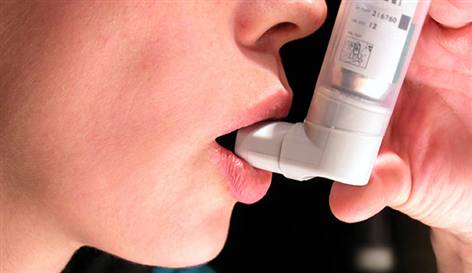
Among respiratory diseases, asthma is one of the most common diseases. Those suffering from this condition may improve quality of life, sport improves respiratory mechanics, joint mobility, especially the chest tightness and self-esteem and quality of life.
When asthma is controlled and there are a physician supervising the patient can do sports. The recommended sports are aerobics such as football, volleyball, swimming, dancing and cycling.
Before physical activity is recommended to unblock the nasal passages, making a physical warm up and cool down increased to fifteen minutes long, during sports three times a week and take your medication in case of an eventual crisis.